
Five Winter Euro Big-Game Fishing Itineraries That'll Keep Your Summer Alive
Looking for the best winter fishing in Europe? Sure, peak season may be coming to a close, but there’s no need for the off-season to slow down your angling. Just...
Free Delivery on all OrdersShop Now
Free Delivery on all OrdersBy Chris Sayer

Our favourite fishing stories aren't just about the catch. They're about the water, the waiting, the wildlife, and the work that comes before and after every hookup.
For serious big-game anglers, fishing is about working in unison with one of the planet's most complex and fragile ecosystems. But as our once-abundant and most respected species face increasing strain, and the blue spaces we explore are increasingly under threat, the choices we make – from the sustainable fishing gear we buy from brands we trust to the Instagram accounts we take inspiration from – have never mattered more.
This guide brings together ten tips for becoming a more ethical angler, covering everything from responsible fishing practices and catch-and-release techniques to the fishing apparel and equipment worth investing in. Whether you're chasing bluefins off the Grand Banks or roosters in Baja, these habits will make you a better angler and custodian of our waters.
Read This Book
Conservation awareness starts at home, so pick up a copy of Kings Of Their Own Ocean by journalist and author Karen Pinchin and give yourself a night time-reading dose of marine education and charter envy. It's an unputdownable work tracing not only the extraordinary life of Tommy Gifford Award-winning skipper Al Anderson, but also the single Bluefin tuna – dubbed Amelia for her ocean-spanning journeys – that he tracked down fourteen years after tagging her as a juvenile fish. It’s a fascinating, and often uncomfortable, read that examines the science, geopolitics, history, implications, and knife-edge nature of tuna fishing around the world, and will absolutely make you a more informed and thoughtful angler. Consider this your non-negotiable homework.


Use Circle Hooks
This is probably the most straightforward change you can make to your tackle box, and one that plenty of charter skippers are already on board with. Tying on circle hooks when live- or dead-bait fishing gives your catch a better chance of survival after release thanks to a design that hooks into the corner of the fish’s mouth instead of going far deeper and causing internal injuries. You’ll need to adjust your strike technique – fewer hard sets and more reliance on letting the fish do the work – but once you do, you’ll never look back.
Service Your Motor Regularly
An under-maintained outboard or inboard motor burns more fuel, runs less efficiently, and is far more likely to leak oil or fuel into the water. Regular servicing isn't just good seamanship; it's an environmental obligation. Keep to a maintenance schedule, check your fuel lines and fittings before every trip, and deal with any leaks immediately. The ocean doesn't need your hydrocarbons.
Clean, Drain, Dry Your Boat
The Clean, Drain, Dry Initiative is a US awareness campaign that seeks to help anglers and boat owners understand more about aquatic invasive species and the harm they can do to lakes, rivers, the economy, and human health. By paying particular attention to hot-spot areas of your boat and trailer – from hitch and anchor to trailer lights and live wells – we can all do our bit to help.


Know The Ingredients Of Your Outerwear
The fishing apparel industry has a materials problem.
Synthetic fabrics, a reliance on petrochemicals, and non-durable products being thrown away too soon are just some of the angling business’s dirty little secrets. We're aware of all of it , and it shapes every material decision we make. Take our Bigeye Boot: a heavy-duty workhorse which combines natural materials and recycled plastics into an all-weather boot built for all-day, all-weather angling, it’s just one of the ways we prove that performance can exist without compromise.
Limit Your Use Of Single-Use Plastics
Single-use plastics – water bottles, sandwich wrap, cable ties, bait packaging – are among the most common forms of marine debris found in our oceans, and some of the easiest to eliminate from your routine. Starting with a reusable water bottle sounds basic, but it’s a small positive step towards an enormous impact: plastic bottles can take up to 450 years to break down in the marine environment, fragmenting into microplastics that enter the food chain long before they disappear. The fish you're chasing are already swimming in it. The least we can do is stop adding to the problem, one trip at a time.
Follow Ethical Anglers
Are we guilty of scrolling through Instagram while at work, in search of an agonisingly epic fishing trip FOMO? Absolutely. One of our most-loved accounts is @ethicalanglers, the IGFA-partnered educational initiative that has an organisational role in some of the Middle East’s most respected competitions. We love what they stand for and what they achieve, even down to the way they focus on welfare practices in their IG captions to spread better knowledge and awareness of good handling.


Keep ‘Em Wet
We don’t need to dive too deeply into this one, as it’s a given if you’re catching and releasing, especially trophy fish. Getting a new photo to send to your mates isn’t life and death, but to your fish, it is. You’ll give your catch its best chance of returning to its habitat if you keep it in the water, support it horizontally, and ensure it's sufficiently revived to swim away successfully without the psychological stress that may kill it long after it’s left your eyesight.
Take Your Old Line Home
Again, this one shouldn’t need elaborating on, but we’ve seen too much fishing detritus in the seas to ignore it. Every piece of trash that leaves your boat, dock, or tackle box and ends up in the water not only has the potential to damage wildlife, but on a more selfish level, damage the reputation of the fishing culture and community you play an active part in. None more so than when fishing line is lobbed into the water to tangle and strangle marine life – that done-for leader of yours will take approximately 600 years to degrade. Let’s work harder to leave no trace.
Sign Up To A Local Citizen Science Programme
You might not know it right now, but you have all the makings of a world-class biologist. Think about it – you spend hours, days, even weeks in the (saltwater) field; you know your species by heart; and you’ve got a great understanding of aquatic behaviours. You’ve got an incredible knowledge that could prove invaluable to citizen science programmes that rely on angler-reported data to monitor and manage fish populations. Organisations such as the IGFA, NOAA Fisheries, and CEFAS all run programmes that you can help with. Go check them out and use your big stories for more than just a little kudos with your fishing pals.


Looking for the best winter fishing in Europe? Sure, peak season may be coming to a close, but there’s no need for the off-season to slow down your angling. Just...

No beauty contests were won in the making of this journal post.Picture your dream big-game trip. Bright sunshine? Sparkling seas? Spectacular surrounds? And stunning species leaping majestically at the end...

Meet Kieren Faisey – charter captain, international guide, tackle brand owner, and new Strike ambassador. Want to book one of the top tuna fishing charters in the UK? You’d better...

It’s no secret that we’re incredibly proud of our partnership with the International Game Fish Association (IGFA).

As one of the Mediterranean's mightiest predators, landing one of these aggressive pelagic–coastal bruisers is a sought-after activity. Even more so when you consider that amberjack can grow up to...

When you invest in a pair of Strike’s saltwater performance shoes, you’re buying into more than just footwear for big-game fishing. You’re taking ownership of a spectrum of intricate and...

Nik Teal, England’s big-game fishing team captain and Strike Ambassador, hands over his best tips and marks for catching tuna, marlin, halibut, and swordfish in European waters.

On 30 October 2025 we headed to Fort Lauderdale, Florida to help honour this year’s recipients of The International Game Fishing Association (IGFA) Tommy Gifford Awards: the inspirational big-game captains,...
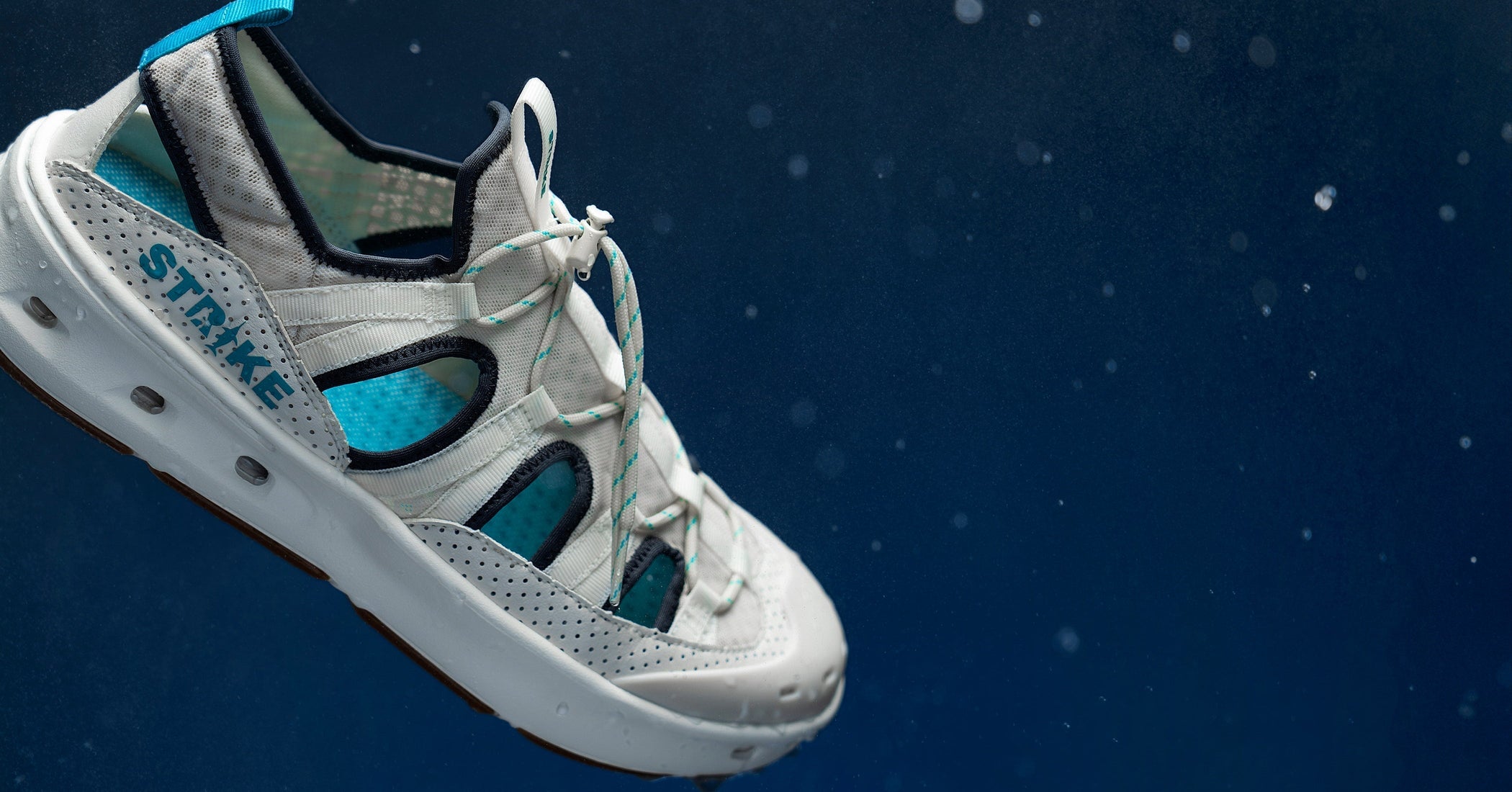
Strike's big game fishing shoes are engineered for, and by, offshore anglers just like you. Our saltwater fishing boots and performance angling footwear deliver better deck grip, quick-drying and breathable...
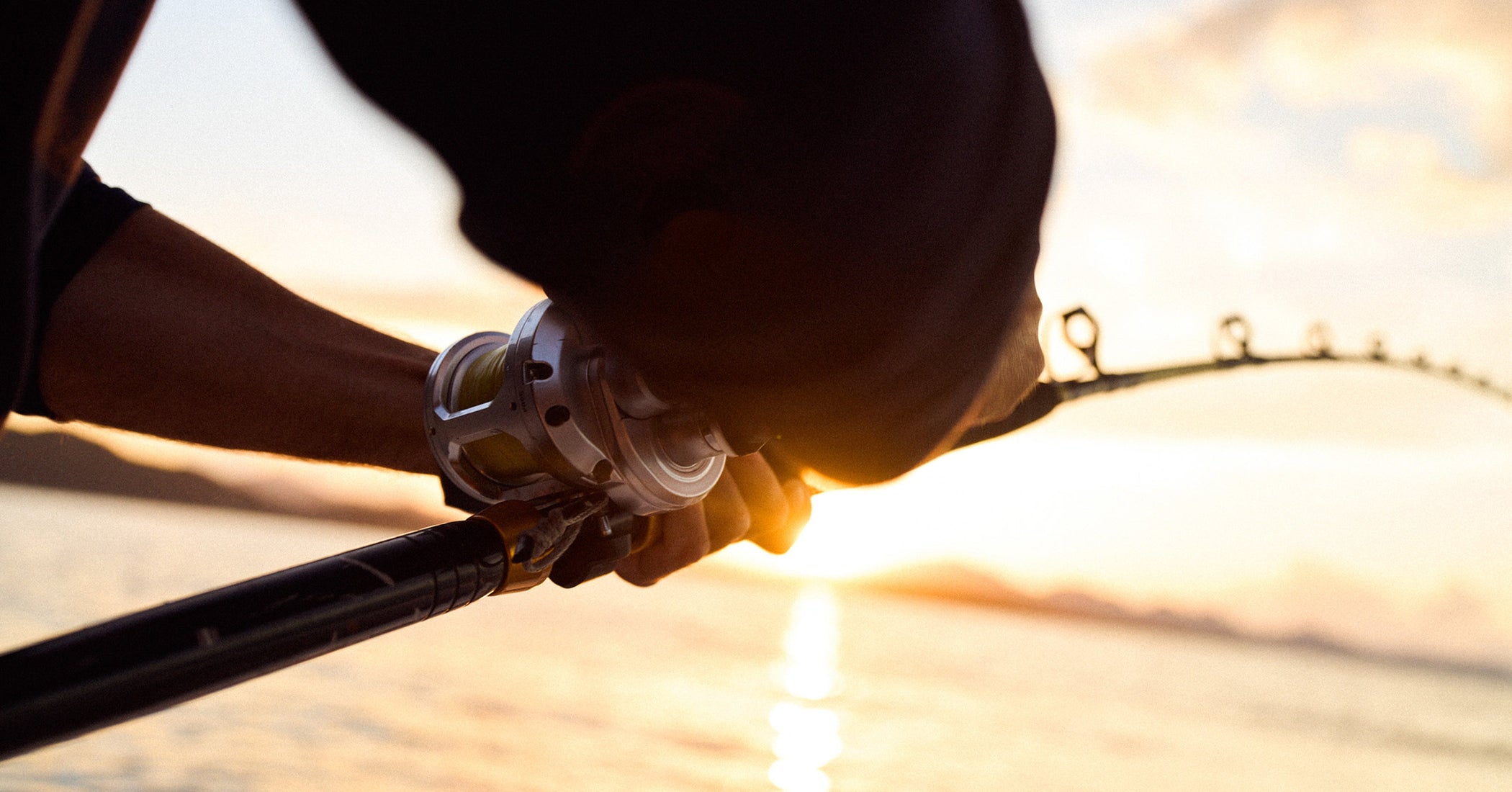
If you’re compiling your bucket list of the world’s best fishing destinations for giant trevally and yellowfin tuna, Oman should be very near the top. It’s just one of the...

We’re only ever one wet deck away from turning the tuna trip of a lifetime into a nightmare. Just ask Stephen Palmer and Sandro Onofaro, the masterminds behind new saltwater...

If you’ve been searching for this year’s best footwear for saltwater fishing, ICAST 2025 was the place to find it. In July, we introduced Strike’s all-new non-slip fishing footwear to...

Built for water

Free delivery on all orders

Free and easy returns

By anglers, for anglers