
Five Winter Euro Big-Game Fishing Itineraries That'll Keep Your Summer Alive
Looking for the best winter fishing in Europe? Sure, peak season may be coming to a close, but there’s no need for the off-season to slow down your angling. Just...
Free Delivery on all OrdersShop Now
Free Delivery on all Orders
As one of the Mediterranean's mightiest predators, landing one of these aggressive pelagic–coastal bruisers is a sought-after activity. Even more so when you consider that amberjack can grow up to 6ft (1.8m) in length.
But what takes Mediterranean amberjack fishing to the next level is the amount of expertise and brainpower it takes to tempt them onto a hook. Amberjack can be caught using various techniques – live-bait trolling, vertical jigging, offshore spinning, drifting – but one thing is a constant: these are smart animals with serious cunning and superior stamina. Get ready for a fight that’ll test not only your best saltwater fishing gear right up the water column, but a challenge for your brain and brawn in equal measure.
Edoardo Civita is Strike’s amberjack fishing expert. Having settled on the island of Sardinia after years of fishing around the world, he knows precisely the unique challenges that anglers of every level will face when targeting the locally-known ricciola. It’s why we’ve asked him to contribute to our Strike Local Guides series, and share his pro tips, best advice, and gear essentials for catching amberjack in Sardinia.


Name: I’m Edoardo Civita. I was born in Rome in 1996, and now live on the Italian island of Sardinia where I split my time between charters, guiding, and documentary production. I’ve fished around the world but my heart is in the cold waters of the Atlantic.
Mark and species: Porto Rotondo for amberjack, known locally as ricciola.
Why there: It’s my beautiful home port. Amberjack are the smartest, most technical fish in the Mediterranean, so I get great satisfaction when putting a big one on deck.
PB: My record amberjack is 44kg. Other PBs include a 150kg bluefin tuna, 14kg dentex, 10kg pink bream, and 27kg grouper.
Kit list: You need a healthy well of live bait, so my essential gear revolves around baitfish. Stock up on sabiki rigs, tataki jigs, and small minnows for the bonitos.
Footwear of choice: I’ve been converted to the Bigeye boot. It’s the best.
Top tip: Sounds obvious, but never give up!
Lasting memory from your mark: Just one?! Wow it’s hard to say, so let’s go with… my first nighttime swordfish.


Looking for the best winter fishing in Europe? Sure, peak season may be coming to a close, but there’s no need for the off-season to slow down your angling. Just...

No beauty contests were won in the making of this journal post.Picture your dream big-game trip. Bright sunshine? Sparkling seas? Spectacular surrounds? And stunning species leaping majestically at the end...

Meet Kieren Faisey – charter captain, international guide, tackle brand owner, and new Strike ambassador. Want to book one of the top tuna fishing charters in the UK? You’d better...

It’s no secret that we’re incredibly proud of our partnership with the International Game Fish Association (IGFA).

Our favourite fishing stories aren't just about the catch. They're about the water, the waiting, the wildlife, and the work that comes before and after every hookup.

When you invest in a pair of Strike’s saltwater performance shoes, you’re buying into more than just footwear for big-game fishing. You’re taking ownership of a spectrum of intricate and...

Nik Teal, England’s big-game fishing team captain and Strike Ambassador, hands over his best tips and marks for catching tuna, marlin, halibut, and swordfish in European waters.

On 30 October 2025 we headed to Fort Lauderdale, Florida to help honour this year’s recipients of The International Game Fishing Association (IGFA) Tommy Gifford Awards: the inspirational big-game captains,...
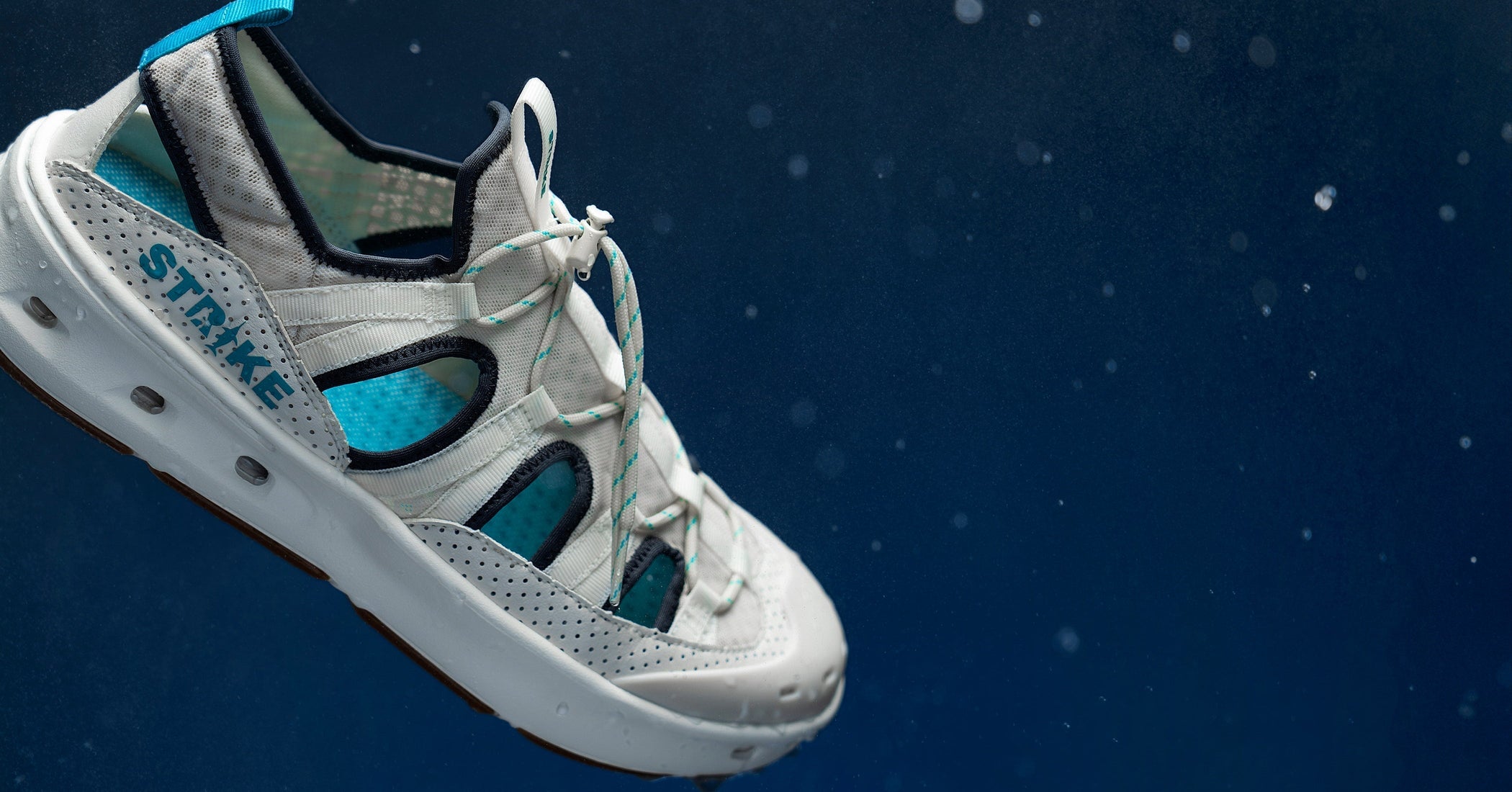
Strike's big game fishing shoes are engineered for, and by, offshore anglers just like you. Our saltwater fishing boots and performance angling footwear deliver better deck grip, quick-drying and breathable...
If you’re compiling your bucket list of the world’s best fishing destinations for giant trevally and yellowfin tuna, Oman should be very near the top. It’s just one of the...

We’re only ever one wet deck away from turning the tuna trip of a lifetime into a nightmare. Just ask Stephen Palmer and Sandro Onofaro, the masterminds behind new saltwater...

If you’ve been searching for this year’s best footwear for saltwater fishing, ICAST 2025 was the place to find it. In July, we introduced Strike’s all-new non-slip fishing footwear to...

Built for water

Free delivery on all orders

Simple returns

By anglers, for anglers